Introduction
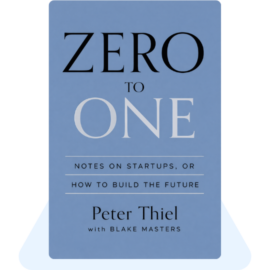
Zero to One is a bold and thought-provoking book about innovation, startups, and the mindset required to build the future. Peter Thiel challenges the conventional belief that competition is the key to business success. Instead, he argues that true breakthroughs happen when entrepreneurs create something entirely new – something that moves the world from zero to one. Rather than copying existing ideas or fighting for market share in crowded industries, the book encourages founders to build unique companies that dominate their space through originality and innovation.
From Zero to One: Creating True Innovation
Thiel explains that there are two types of progress. Horizontal progress means copying and expanding what already exists, such as opening another restaurant or launching a similar app in an existing market. Vertical progress, on the other hand, means creating something entirely new. It is about inventing a new product, technology, or solution that did not previously exist. According to Thiel, the greatest value in the world is created through vertical progress. Innovation is not about small improvements; it is about building something so unique that it changes industries and shapes the future.
He emphasizes that the future does not simply happen on its own. It is created by people who think independently and act boldly. Entrepreneurs must move beyond imitation and focus on creating breakthroughs that others have not yet imagined.
Thiel also highlights that moving from zero to one requires courage because truly original ideas often sound strange or unrealistic at first. Many ground breaking companies were initially misunderstood or doubted because they challenged existing assumptions. Creating vertical progress means taking intellectual risks, trusting your unique insights, and being willing to stand apart from conventional thinking. In this way, innovation is not just a business strategy but a mindset that values originality over conformity.
Why Competition Destroys Value
One of the most controversial ideas in the book is that competition is harmful in business. While society celebrates competition as healthy and motivating, Thiel argues that intense competition leads to reduced profits, constant stress, and short-term thinking. When companies compete directly, they often lower prices, copy features, and fight for survival rather than focusing on innovation.
Instead of competing, Thiel suggests building monopoly businesses. A monopoly, in his definition, is a company so good and so unique that it has no real competitors. Companies such as Google, Facebook, and Apple became dominant not because they outcompeted similar businesses in a crowded market, but because they created something distinctive that set them apart. Their uniqueness allowed them to capture massive value and maintain long-term success.
Thiel further explains that in highly competitive markets, businesses become obsessed with outperforming rivals instead of focusing on customers or long-term vision. This creates a race to the bottom where companies sacrifice profits, creativity, and strategic thinking just to survive. In contrast, a monopoly business has the freedom to innovate, invest in research, and think decades ahead because it is not constantly threatened by direct competition. According to Thiel, true business success comes not from winning battles against competitors, but from avoiding the battle altogether by creating something entirely new.
The Power of Secrets
Thiel believes that every successful company is built around a secret – a truth that very few people recognize or agree with. Innovation happens when entrepreneurs discover opportunities that others overlook. These secrets may involve technological breakthroughs, unique insights about human behaviour, or new ways of solving existing problems.
He challenges readers with a powerful question: what important truth do very few people agree with you on? This question forces entrepreneurs to think differently and avoid conventional thinking. The best startup ideas are often hidden in places where others are not looking. By discovering and acting on these secrets, founders can create companies that stand out from the crowd.
Thiel explains that secrets still exist in the modern world, even though many people believe that everything important has already been discovered. He argues that this belief is dangerous because it limits ambition and curiosity. In reality, there are countless opportunities waiting to be uncovered in science, technology, and business. The key is to approach the world with the mindset that valuable truths are still hidden and can be found by those willing to search deeply and question assumptions.
He also points out that great entrepreneurs are not just dreamers; they are truth-seekers. They look beyond surface-level information and challenge what everyone else accepts as obvious. Instead of following trends or copying popular ideas, they dig deeper to understand what others are missing. By building companies around these hidden insights, founders create strong foundations that competitors cannot easily replicate, because the advantage comes from a unique understanding rather than imitation.
Start Small to Dominate
Another key lesson in Zero to One is the importance of starting small. Instead of trying to serve a massive market immediately, startups should focus on dominating a narrow niche. By becoming the best solution for a specific group of customers, a company can build strength, loyalty, and credibility.
Once a startup becomes dominant in a small market, it can gradually expand into larger markets. Amazon is a classic example of this strategy. It began by selling books online and mastered that niche before expanding into electronics, clothing, cloud computing, and more. Dominating a small market creates a strong foundation for long-term growth.
Thiel explains that targeting a small market may feel limiting at first, but it actually increases the chances of success. When a company tries to serve everyone from the beginning, it spreads its resources too thin and struggles to stand out. By concentrating on a clearly defined customer base, startups can deeply understand their users’ needs and create a product that solves their problems better than anyone else. This deep focus allows the company to refine its offering and build a strong reputation within that niche.
He also emphasizes that a small market with the potential to grow is far more valuable than a large market filled with heavy competition. The goal is not to remain small forever but to establish dominance in one corner of the market before expanding outward. This step-by-step expansion strategy helps companies maintain control, protect their uniqueness, and scale sustainably rather than chasing rapid but unstable growth.
Technology and Long-Term Thinking
Thiel strongly believes that technology is the primary driver of progress. He argues that true innovation comes from building new technologies rather than simply improving existing services. Entrepreneurs should think about how the world will look in ten or twenty years and build companies that contribute to meaningful change.
The future belongs to those who plan for it deliberately. Thiel introduces the concept of definite optimism, which means believing that the future can be shaped through careful planning and bold action. Successful founders do not wait for opportunities to appear; they create them through vision and determination.
The Importance of Strong Teams
A startup is not just an idea; it is a group of people united by a shared mission. Thiel explains that strong founding teams are essential for long-term success. Founders must share clear goals and trust one another deeply. Early employees should believe in the company’s vision and feel a sense of ownership.
Company culture, according to Thiel, must be built intentionally from the beginning. When teams are aligned and motivated, they can overcome challenges and build extraordinary companies. Ownership through equity also plays a major role in encouraging commitment and long-term thinking.
Sales and Distribution Matter
Many entrepreneurs focus only on product development, assuming that a great product will automatically attract customers. Thiel disagrees with this belief. He argues that sales and distribution are just as important as innovation. Without a strong distribution strategy, even the most brilliant product can fail.
A successful company must understand how to reach its customers, communicate its value clearly, and scale effectively. Innovation combined with strong distribution creates lasting impact and sustainable growth.
Conclusion
Zero to One delivers a powerful message for entrepreneurs and innovators. It teaches that real success comes from building something entirely new rather than competing in crowded markets. By focusing on innovation, discovering hidden opportunities, dominating small niches, building strong teams, and thinking long term, startups can achieve monopoly-level success.
Peter Thiel’s central lesson is simple yet transformative: do not aim to be slightly better than others. Aim to be completely different. The future is not built by those who compete – it is built by those who create.
Learn More from Dr Amiett Kumar:
The 7 Habits of Highly Effective Teens
Vastu Without Demolition: Small Changes, Big Abundance
Contents