10 Best Self-Help Books to Read in 2027 for Growth
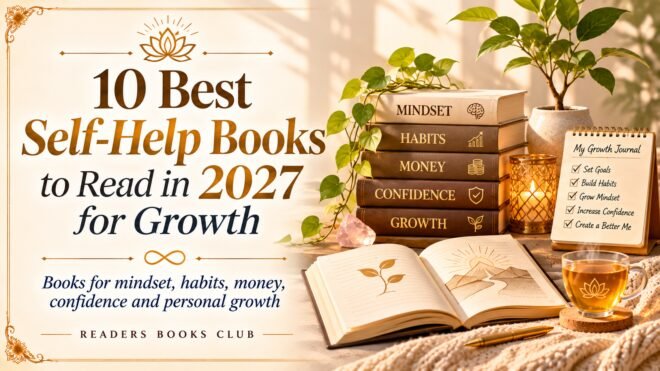
Your practical reading guide to better habits, smarter money decisions, stronger relationships, deep focus and a more meaningful life.
There is a particular kind of frustration that arrives when a new year is approaching. You have made plans before. You have promised yourself that you would become more disciplined, save more money, read more books, stop overthinking or finally take the next step in your career. Yet somehow an ordinary Tuesday becomes a busy Friday, the month disappears, and those plans remain in your notes app.
If that sounds familiar, the solution probably is not another motivational quote. It may be a better set of ideas, combined with enough patience to put them into practice. That is why choosing the best self-help books to read in 2027 deserves more thought than downloading the first ten popular titles you see online. A useful book should help you understand a problem, question an assumption and do something differently when you close it.
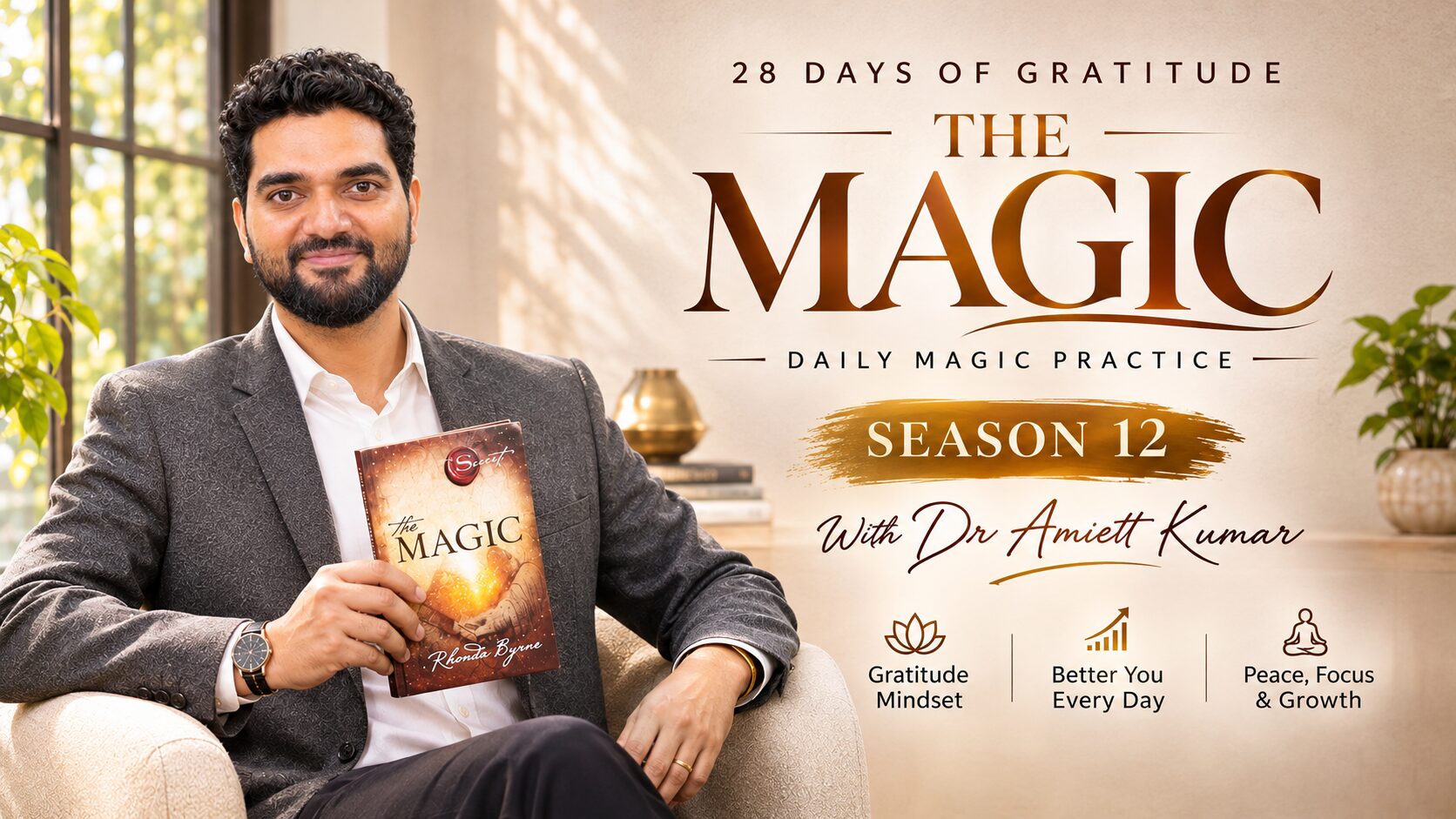
At Readers Books Club (RBC), books are more than objects to collect on a shelf. The platform’s book summaries, YouTube videos and conversations around personal growth invite readers to turn insights into daily choices. Readers who follow Dr Amiett Kumar, also known as Amiett Kumar, may already be familiar with discussions about visualization, motivation, meditation, the Law of Attraction and mindset transformation. A thoughtful reading list can complement those interests with practical guidance about habits, relationships, money and attention.
This selection combines well-known classics and more recent favorites. They are books recommended for reading in 2027, not claims that all ten were published in 2027 or that a future bestseller chart has already been decided. The list is curated for usefulness and breadth, informed by available 2026 reader-interest signals and verified publisher descriptions. It is not a ranking by verified Google search volume or a promise that every book will change every reader’s life.
You will find a book for the person who struggles to start, one for the person who struggles to focus, another for the person who worries about money and several for anyone trying to feel less controlled by other people’s expectations. The final recommendation challenges the assumption that personal growth always means doing more. Read slowly, choose deliberately and remember that the measure of a book is not how quickly you finish it, but what becomes clearer afterward.
Why Self-Help Books Still Matter in 2027
The benefits of reading books go beyond collecting information. Longer reading creates time to follow an argument, notice a contradiction and compare an author’s experience with your own. A useful book can make an uncomfortable idea stay with you long enough to influence a decision. A short video may introduce a lesson; a chapter may reveal why that lesson matters and where it has limits.
By 2027, the challenge for readers is unlikely to be access to content. It will be deciding what deserves attention. When countless recommendations compete for a place in your routine, the best self-improvement books are those that address a real need rather than merely look impressive in a photograph. Someone managing debt may benefit more from a book about financial behaviour than another guide to morning routines. Someone feeling overwhelmed may need to learn boundaries before learning to work harder.
A balanced approach also respects the limits of self-help. Books can offer concepts and exercises; they cannot guarantee wealth, cure a medical condition or replace qualified support when it is needed. Positive thinking, visualization and affirmations can be personally meaningful practices, but they should not be confused with proof that thoughts alone control external events. More reliable personal growth combines awareness with skill-building, supportive relationships and action.
This is the approach we recommend for reading habits in 2027: read fewer books with greater intention, test one lesson at a time and decide for yourself what deserves to stay. When you approach a book as a conversation instead of a command, even an idea you disagree with can sharpen your thinking.
How We Chose These 10 Books for Personal Growth
A list called “best books” can easily become a collection of familiar names without a clear reason for including them. Here, each title fills a different need. The first develops sustainable habits, the second explores money psychology and the third asks how much emotional energy we waste trying to control other people. The remaining books cover concentration, learning, self-respect, priorities, spiritual presence, values and the limits of time.
There is no single correct order. You can read the article from beginning to end or move directly to the section that speaks to your current challenge. Each recommendation explains what the book is about, who may benefit, how to apply a central insight and what to keep in mind before treating its advice as universal.
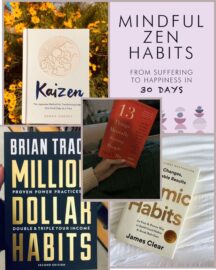
1. Atomic Habits by James Clear: Build a Better Life Through Small Actions
If you often begin a new routine with enthusiasm and abandon it a week later, Atomic Habits is one of the strongest starting points. James Clear makes a simple argument: small, repeatable behaviours matter because they shape systems and identities over time. Instead of relying on occasional bursts of motivation, he encourages readers to design everyday circumstances that make helpful actions easier and unhelpful actions less convenient.
A reason this book works for beginners is that it does not demand dramatic reinvention. You are not asked to become a different person overnight. You are invited to notice the moments when behaviour actually happens. If you want to read consistently, leave a book beside your bed or on the table where you drink tea. If you want to reduce late-night scrolling, charge your phone outside the bedroom when practical. The environment becomes part of the plan.
Clear discusses ideas such as habit stacking, the two-minute rule and the relationship between repetition and identity. Rather than beginning with a grand declaration that you are going to read fifty books this year, you might begin by reading two pages after breakfast. That sounds almost too easy, which is precisely the point: a small commitment lowers the resistance that often prevents starting.
Try a seven-day experiment before committing to an elaborate routine. Choose one activity, select a reliable cue and reduce the task until it is hard to avoid. Track whether you showed up rather than judging the size of the result. If you complete your small action on five of seven days, use that information to adjust the next week. The lesson is not to worship streaks but to become curious about what makes consistency possible.
Best for: readers who want to improve reading habits, fitness routines, study schedules or daily discipline without depending entirely on motivation. If you choose only one book to begin your 2027 reading journey, this is an accessible and practical candidate.
2. The Psychology of Money by Morgan Housel: Learn How Money and behaviour Interact
Financial growth is not determined by mathematical knowledge alone. People who understand interest rates can still spend impulsively, take risks they do not understand or compare themselves endlessly with people whose lives look more successful. In The Psychology of Money, Morgan Housel explores the human stories behind financial decisions, showing how experience, uncertainty, patience and behaviour shape what people do with money.
One memorable theme is that financial success involves knowing what “enough” means for you. Without a personal definition, earning more can become an endless contest. A promotion might increase income and still fail to increase peace if expectations rise just as quickly. The book invites readers to examine what money is for: flexibility, safety, time, generosity or some other value that matters personally.
For an Indian reader planning 2027, an application might be reviewing monthly expenses, building an emergency savings habit or learning the basics before making an investment decision. The important action is not copying someone else’s financial lifestyle. It is understanding your own cash flow, obligations, risk tolerance and goals. A popular quote or short video should never substitute for appropriate financial advice when the decision is substantial.
The connection with money manifestation is worth handling carefully. Some people use visualization to clarify the financial future they want. That exercise can help define a goal, but it does not cause income to appear automatically. Skills, opportunities, budgeting, risk and economic conditions matter. Housel’s book is valuable precisely because it brings attention back to decisions and behaviour rather than promising effortless wealth.
Read this book with a notebook and ask what you believe money should do for you. The answer may be different from what social media encourages you to display. If you finish with a clearer definition of security and a wiser way to evaluate financial choices, the reading has already served a purpose.
Best for: beginners in personal finance, professionals looking to manage income better and readers interested in money psychology rather than quick-rich promises.
3. The Let Them Theory by Mel Robbins and Sawyer Robbins: Protect Your Energy and Choose Your Response
Some of the biggest obstacles to personal growth are not a lack of skill or information. They are the hours spent worrying about somebody else’s opinion, replaying an uncomfortable conversation or trying to change a person who does not want to change. The Let Them Theory, by Mel Robbins and Sawyer Robbins, addresses this familiar drain on attention with an approach to separating other people’s choices from your own responses.
The phrase “let them” sounds simple, but its practical meaning deserves care. It can remind you that people are allowed to disagree, decline an invitation or make choices you would not make. Your responsibility is to decide what you will do with that information. You might choose a clearer boundary, a more honest conversation or a change in your own expectations. You do not need to manage everyone else’s mood to live responsibly.
Imagine sharing a creative idea at work and receiving a dismissive reaction. You could spend several days trying to make the other person approve, or you could review the useful feedback, clarify your plan and continue working. Letting go of unnecessary approval-seeking is not the same as refusing to listen. The goal is to distinguish feedback that helps you grow from reactions you cannot control.
There is an important limitation. “Let them” should never be used to excuse mistreatment, abandon a dependent person or avoid accountability. If someone is crossing a serious boundary, a practical response may involve speaking up, seeking help or leaving an unsafe situation. A memorable phrase is a starting point for judgment, not a replacement for it.
Try this the next time you feel pulled into someone else’s reaction. Pause and write two short sentences: “I cannot decide how they feel” and “I can decide how I respond.” Then choose a response consistent with your values. Small moments like this can create the emotional space needed for better communication.
Best for: people-pleasers, overthinkers and readers seeking healthier boundaries, calm and confidence in relationships.
4. Deep Work by Cal Newport: Reclaim Focus in a Distracted World
You may sit down to work with a clear plan and still reach the end of the day feeling that nothing important moved forward. Messages arrive, tabs multiply and small tasks create the appearance of progress. Deep Work by Cal Newport is built around a different proposition: valuable thinking often requires sustained attention without constant interruption.
Newport distinguishes concentrated work from the scattered activity that fills many professional schedules. He argues that the ability to focus intensely is a skill worth developing, particularly when digital tools make distraction convenient. The book challenges the assumption that being constantly available is the same as being productive. Sometimes the most useful work happens when the notifications are off and nobody is expecting an immediate reply.
For students, a focused session might mean studying one difficult concept without switching between tutorials every few minutes. For a content creator, it could mean outlining a well-researched video before opening social media. For someone managing a team, it may involve setting aside time to solve a recurring problem rather than reacting only to today’s messages.
A practical experiment is to reserve one short block of protected attention. Start with twenty-five or thirty minutes if longer periods feel unrealistic. Define the task before you begin, remove obvious distractions and decide what “finished” will mean for that session. Afterward, ask whether the work was meaningfully better than it would have been during a distracted hour.
Not everyone controls their work environment. Service roles, parenting and collaborative jobs may require frequent interruptions. The point is not to turn focus into a status symbol; it is to create realistic windows for the kind of thinking your responsibilities require. Even a small protected interval can help when used consistently.
Best for: students, professionals, writers, entrepreneurs and anyone who feels busy but struggles to complete meaningful work.
5. Mindset by Carol S. Dweck: Treat Ability as Something You Can Develop
A disappointing result can be interpreted in two very different ways. One person says, “I am simply bad at this,” while another asks, “What have I not learned yet?” The second response does not guarantee success, but it leaves room for improvement. Mindset: The New Psychology of Success, by psychologist Carol S. Dweck, explores the implications of fixed and growth-oriented beliefs about ability.
Dweck’s work is widely associated with the distinction between a fixed mindset, in which ability is treated as largely unchangeable, and a growth mindset, in which learning and development remain possible. The most useful lesson is not that everyone can become exceptional at anything. It is that a single result should not automatically become a permanent judgment about identity.
For personal growth, the book offers a helpful correction to superficial affirmations. Self-belief is more durable when paired with opportunities to learn and honest feedback. Instead of praising yourself for being naturally gifted, notice the strategy that helped you improve. Instead of pretending a setback feels pleasant, acknowledge it and decide what to test next. A growth mindset is a way of responding to learning, not an obligation to be cheerful all the time.
There are limits to what attitude can accomplish. Resources, instruction, health, discrimination and luck influence outcomes. Growth-mindset language should not become a reason to blame people for barriers beyond their control. The stronger reading is one of curiosity and agency within real constraints.
After finishing the book, choose one sentence you often use to dismiss yourself. Rewrite it as a specific learning question. “I cannot manage money” can become “Which basic money skill should I learn this month?” “I cannot write” can become “What would improve my next first draft?” The shift is modest, but it opens a door.
Best for: students, parents, teachers, professionals and anyone recovering from a disappointing result or rebuilding confidence.
6. The Courage to Be Disliked by Ichiro Kishimi and Fumitake Koga: Stop Living for Approval
Most people say they want freedom, yet many choices are quietly shaped by the fear of disappointing someone. We accept obligations we resent, delay important decisions and compare our lives with standards we never consciously chose. The Courage to Be Disliked, by Ichiro Kishimi and Fumitake Koga, explores independence, responsibility and happiness through an unusual format: a dialogue between a young man and a philosopher drawing on Adlerian psychology.
Rather than presenting another checklist of confidence hacks, the book asks readers to examine assumptions about the past, relationships and the purpose of life. One of its challenging ideas is that our lives need not be organized entirely around receiving approval. That is a liberating thought for someone who measures every decision against family expectations, workplace popularity or social-media reactions.
The book invites a distinction between responsibility and control. You can behave respectfully and communicate your decision honestly. You cannot ensure everyone agrees with it. This is especially helpful for people who confuse being kind with keeping every person satisfied at all times. Self-respect and consideration for others do not have to be enemies.
Some readers find the book’s claims about trauma, choice and personal responsibility too sweeping. That criticism deserves attention. People do not simply choose their circumstances, and serious psychological distress cannot always be resolved by adopting a philosophical viewpoint. Read the dialogue as an invitation to think, not as a universal account of mental health or an instruction to dismiss suffering.
A useful exercise is to identify one decision that has been delayed mainly because of imagined criticism. Write down the real consequences, not only the embarrassing possibilities. Then ask what action would still fit your values if approval were uncertain. You may not change direction immediately, but you can begin separating careful judgment from unnecessary fear.
Best for: readers struggling with people-pleasing, comparison, identity and the desire to make more authentic choices.
7. Essentialism by Greg McKeown: Make Space for What Matters Most
Many people experience exhaustion not because they are doing too little, but because they are trying to keep too many commitments alive at once. Every request seems urgent, every new skill seems essential and every opportunity feels risky to decline. Essentialism: The Disciplined Pursuit of Less, by Greg McKeown, offers an alternative: decide what matters most and give it the attention that scattered effort cannot provide.
McKeown is not arguing for laziness or indifference. The message is that being selective can be a disciplined choice. When you say yes to everything, the important work may be pushed aside by the merely immediate. Saying no can protect time for family, learning, health, creativity or a project that actually changes your direction.
A more essentialist approach begins with a question: which one or two improvements would make the greatest difference to your life this year? The answer may be different from the most exciting goal. For someone under financial pressure, stabilizing income and spending may matter more than adding a complex wellness routine. For someone feeling disconnected, restoring time with loved ones may be more important than another productivity app.
Try reviewing your calendar as if it belonged to someone you were responsible for protecting. Which commitments reflect real priorities? Which survive only because they have always been there? What can be simplified, delegated or postponed? The objective is not a completely empty calendar. It is a calendar that resembles your values more closely.
Of course, not everyone can refuse work or family obligations freely. The book is strongest when adapted to those realities. Essentialism may sometimes mean protecting fifteen undisturbed minutes instead of redesigning an entire week. Small decisions about attention still count.
Best for: busy professionals, entrepreneurs, students and readers whose plans have become heavier than their days can carry.
8. The Power of Now by Eckhart Tolle: Practice Presence Rather Than Constant Mental Noise
Personal development often focuses on the next goal. There is always another milestone to achieve, another problem to solve and another version of yourself to become. The Power of Now, by Eckhart Tolle, asks a different question: what happens when your mind is so occupied with the past and future that you miss the present experience of being alive?
Tolle’s book is a spiritual exploration of presence, awareness and the stories we tell ourselves. Its language may feel unfamiliar to readers who prefer straightforward productivity advice, but its core invitation is accessible: notice your thoughts instead of automatically following every one of them. You can reflect on a mistake without reliving it all day, and plan for the future without treating every uncertainty as an emergency.
The book connects naturally to meditation, mindfulness and spirituality content that many Readers Books Club followers enjoy. A beginner-friendly practice is to sit comfortably for two minutes and notice the breath, sounds and sensations around you. When thoughts appear, acknowledge them and return attention gently. There is no requirement to empty the mind or achieve an extraordinary spiritual state.
It is important to distinguish Tolle’s spiritual framework from established scientific claims. His metaphysical descriptions are philosophical and experiential; they are not scientific proof that attention can alter external events. Meditation may help some people with stress or awareness, but it is not a guaranteed treatment and may not feel comfortable for everyone.
If the book’s more abstract sections are challenging, read a few pages and test one simple idea: “What is happening right now, apart from the story I am adding to it?” That question can support calmer reflection without asking you to abandon plans or responsibilities.
Best for: readers interested in meditation, inner peace, spirituality and a healthier relationship with overthinking.
9. The 7 Habits of Highly Effective People by Stephen R. Covey: Align Your Life With Principles
Not every self-help problem is about having too little motivation. Sometimes the problem is that daily choices and long-term values are moving in different directions. The 7 Habits of Highly Effective People, by Stephen R. Covey, remains relevant because it treats effectiveness as more than speed. Its framework emphasizes character, responsibility, priorities and the ability to work constructively with others.
Covey encourages readers to become proactive rather than living entirely in reaction to circumstances. He also urges them to think about their desired direction before filling their calendar with tasks. A person can become extremely efficient at work that has little connection to what matters most. Choosing priorities is therefore part of being effective, not something to consider only after the inbox is empty.
The book is especially helpful for relationships and leadership. Covey’s emphasis on understanding others before insisting on being understood can change an ordinary disagreement. Imagine a manager who responds to a missed deadline by immediately assigning blame. A more useful conversation might begin by understanding the obstacle, clarifying expectations and deciding how to prevent repetition. This does not remove accountability; it gives accountability a better foundation.
For personal development, the key is to identify principles you want your decisions to reflect. Reliability might matter more than appearing busy. Honesty may matter more than winning every argument. Learning may matter more than protecting an image of effortless competence. These principles can serve as a guide when a situation does not have an obvious answer.
One practical experiment is to make a short appointment with yourself each week. Review what mattered, what you neglected and which conversations need care. Plan one important task before filling the week with smaller urgent ones. Over time, that practice can help close the distance between intention and reality.
Best for: professionals, team leaders, entrepreneurs and readers seeking a values-based approach to success and relationships.
10. Four Thousand Weeks by Oliver Burkeman: Stop Trying to Do Everything
The last book on this list offers a needed challenge to the other nine. What if the purpose of personal growth is not to squeeze ever more activity into a day? In Four Thousand Weeks: Time Management for Mortals, Oliver Burkeman begins with the uncomfortable reality that a human life is finite. The title refers to an approximate lifespan expressed in weeks, and that perspective changes what “using time well” might mean.
Many productivity guides suggest that better tools will eventually allow us to finish everything. Burkeman questions that dream. There will always be more interesting books, possible careers, messages and opportunities than one person can pursue. Accepting limits is not defeat. It can help us choose more honestly and stop measuring every day against an impossible standard of completion.
Consider a reader who hopes to complete one hundred books in 2027. They may spend more time tracking progress than understanding what they read. Another reader finishes twelve carefully chosen books, tests ideas and has important conversations about them. The second person may gain more from reading even though the number on the tracker is smaller. The point is not that twelve is the correct target. It is that quantity is a poor substitute for meaning.
Burkeman’s argument pairs well with Essentialism but comes from a different direction. McKeown focuses on choosing what matters; Burkeman reminds us why choices are unavoidable. Together they encourage a gentler, more realistic idea of success. You are allowed to leave some worthy possibilities unexplored so you can give proper attention to the ones you choose.
At the start of 2027, ask yourself what you would still care about if you stopped trying to impress anyone with how busy you were. Then make a small amount of time for it this week. That may be one of the most useful applications of any book on this list.
Best for: overwhelmed professionals, ambitious readers and anyone who feels there is never enough time to live meaningfully.
Which Self-Help Book Should You Read First in 2027?
The best first book depends on the problem you are actually facing. If consistency is difficult, begin with Atomic Habits. If financial decisions are causing stress, The Psychology of Money may have more immediate value. If you are exhausted by approval-seeking, The Let Them Theory or The Courage to Be Disliked might start a useful conversation with yourself.
For a distracted student or professional, Deep Work is a sensible choice. If setbacks damage your confidence, start with Mindset. If you are trying to do too many things at once, Essentialism may help you reduce the load. If you want to reflect on spirituality and inner calm, try The Power of Now. If your goals and values feel disconnected, consider The 7 Habits of Highly Effective People. And if every productivity promise leaves you feeling behind, Four Thousand Weeks may be the most refreshing place to begin.
You do not need to buy ten books at once. Start with one. Read enough to discover whether its voice and ideas serve your situation. Borrowing a copy, using a library, listening to an audiobook or watching a responsible book-summary video can help you decide what deserves a deeper reading. A reading plan works better when it feels realistic than when it looks impressive.
AI vs Reading Books: Can Summaries Replace the Experience of Thinking?
The challenge begins when a summary is mistaken for complete understanding. A paragraph about habit formation cannot reproduce every example, qualification or argument that makes a book persuasive. A short description of a philosophical dialogue cannot give you the same experience as following the objections and responses. A list of money lessons may miss the emotional complexity that makes personal finance difficult in real life.
AI vs reading books is therefore better framed as a question of purpose. If you want to decide whether a title is relevant, a summary may be enough. If you want to evaluate the reasoning, challenge the evidence or form an original interpretation, longer engagement is often useful. This matters for AI and critical thinking because fluent answers can create an illusion of understanding even when you have not examined the assumptions behind them.
The difference between human intelligence vs artificial intelligence is not that humans are always right and technology is always wrong. Both can make mistakes. The important responsibility remains with the reader: verify claims, compare viewpoints, decide what fits your circumstances and notice when a tool has filled an uncertainty with an overconfident answer.
A practical approach is to use AI to create a list of questions before reading rather than to replace the reading itself. After finishing a chapter, write your interpretation first, then ask a tool to challenge it. If a claim is consequential, check the original book and credible sources instead of trusting a polished summary. Technology can assist the process while leaving judgment where it belongs.
The strongest reading habits for 2027 are not anti-technology. They are pro-attention. Use the medium that helps you learn, but protect the experience of wrestling with an unfamiliar idea. It is often in that uncomfortable space that your view actually changes.
A Simple Reading Plan to Turn 10 Books Into Real Growth
A year-long reading plan does not need a complicated dashboard. Begin by identifying the life area that deserves attention first. Choose a book linked to that need, estimate a comfortable reading pace and place your reading time beside an existing routine. For some people, fifteen minutes after lunch works. Others prefer a quiet half hour in the morning or an audiobook while commuting. Consistency matters more than copying someone else’s schedule.
Keep one small note for each chapter. Instead of recording every interesting sentence, answer three questions in ordinary language: What idea is the author making? Do I agree, and why? What could I test this week? These questions create a bridge between information and action without turning reading into homework. They also help you identify advice that sounds impressive but may not fit your life.
Once a month, revisit your notes and ask what survived contact with reality. Perhaps a morning routine failed because your workday begins too early. That is useful information, not evidence that you lack character. Change the schedule, reduce the task or choose a different cue. Personal growth depends as much on revision as on enthusiasm.
Reading with other people can deepen the experience. Share a thoughtful question with a friend, discuss a chapter in a book club or compare interpretations after watching a summary. Readers Books Club’s YouTube and podcast format makes this kind of conversation natural. The goal is not agreement with every recommendation. It is the ability to explain your view and hear another one fairly.
How Readers Books Club and Dr Amiett Kumar Fit Into This Reading Journey
Readers Books Club brings together book summaries, book suggestions, personal finance, motivation, psychology and conversations about self-development. Its website and video content can be a useful starting place for people who want to discover ideas before choosing a full-length book. The platform’s interest in finance and personal growth also makes this ten-book collection relevant to its audience.
Dr Amiett Kumar is associated with Readers Books Club and broader discussions about meditation, spirituality, the Law of Attraction and personal transformation. Those topics can sit alongside reading when they are approached thoughtfully. Visualization may help someone clarify the future they want; a book about habits can help them design a routine. Meditation can create time to notice emotional reactions; a book about boundaries can offer language for responding to them. These are complementary practices, not proof that positive thoughts guarantee outcomes.
For more reading inspiration, visit the Readers Books Club website’s book and self-improvement categories, explore its existing articles about focus, personal finance and critical thinking, and follow the conversations on its YouTube channel. Choose the next book because it addresses a real question in your life, not only because it is trending.
Frequently Asked Questions About the Best Self-Help Books for 2027
What are the best self-help books to read in 2027?
A balanced 2027 list includes Atomic Habits, The Psychology of Money, The Let Them Theory, Deep Work, Mindset, The Courage to Be Disliked, Essentialism, The Power of Now, The 7 Habits of Highly Effective People and Four Thousand Weeks. These books address different needs, from habits and financial behaviour to boundaries and meaning. The best choice depends on your current priorities. This is a curated recommendation list, not a verified ranking of 2027 sales or search volume.
Which self-improvement book is best for beginners?
Atomic Habits is a practical starting point because it offers manageable ways to build consistency. A beginner does not need to redesign an entire lifestyle; they can choose one small behaviour and make it easier to repeat. If habits are not your biggest challenge, start with the title that fits your actual needs. A person struggling with overthinking might find The Let Them Theory more relevant, while someone managing money stress may benefit more from The Psychology of Money.
What books can help me become more disciplined and focused?
Atomic Habits focuses on building repeatable behaviours, while Deep Work explains the value of protecting concentrated attention. Essentialism helps readers decide which tasks deserve that attention in the first place. Together they suggest a practical sequence: choose what matters, create a workable routine and remove predictable distractions. Discipline should still be adapted to real constraints such as work, family and health; a demanding schedule is not evidence that a person lacks motivation.
Which books should I read to improve my money mindset?
The Psychology of Money is the clearest financial-behaviour recommendation in this list. Morgan Housel explores how emotions, experiences and uncertainty influence financial choices. It can help readers think about risk, patience and what financial security means personally. However, a general book is not a substitute for understanding your actual income, expenses, debt and investment risks. Use insights from the book to ask better questions and seek qualified financial guidance when needed.
Can reading self-help books really change your life?
Books can influence how you understand problems and the choices available to you, but reading alone does not guarantee transformation. A powerful idea becomes more useful when tested in real situations. For example, reading about boundaries can help you prepare for a difficult conversation, while reading about habits can help you build a manageable routine. Progress also depends on circumstances, support, opportunities and time. Treat books as useful guides, not promises of instant success.
Is it better to read a full book or watch a book-summary video?
Both formats have value. A book-summary video can help you discover an idea quickly, remember key themes or decide which title to explore next. The full book usually provides more context, examples and qualifications. If you want to evaluate an author’s argument carefully, direct reading can be especially useful. Readers Books Club’s summaries can serve as a doorway into books rather than a reason to avoid them. Choose the format that supports your purpose and attention.
How many books should I read in 2027 for personal growth?
There is no ideal number. Reading ten useful books thoughtfully can be more valuable than finishing fifty without remembering or applying them. Set a realistic target based on your time and reading experience. If you are starting again after a long break, one book every month or two may be a satisfying pace. Review what you learned, test one small lesson and allow yourself to stop reading a book that is not helping you.
Where can I find book suggestions and summaries from Readers Books Club?
Explore readersbooksclub.com, including its self-improvement articles, finance topics and book-related guides. The website also features material connected with Dr Amiett Kumar and Readers Books Club’s wider video conversations. A good approach is to read an introduction or watch a summary, then decide whether you want the complete book. The goal is to build a reading life that supports independent thinking and meaningful action, rather than simply follow the most visible trend.
Final Thoughts: Make 2027 the Year You Read With Purpose
The 10 best self-help books to read in 2027 for growth are not necessarily the newest or loudest titles. They are the books that help you see your life more clearly and respond with greater intention. Atomic Habits can help you begin small. The Psychology of Money cana make financial choices more thoughtful. Deep Work can encourage you to protect attention. The Courage to Be Disliked can challenge the need for approval. Four Thousand Weeks can remind you that your limited time deserves care.
Through Readers Books Club, the work of Amiett Kumar and the wider community of readers, books can become a starting point for better conversations about habits, money, self-belief, relationships and purpose. AI summaries and short videos may make discovering ideas easier, but the responsibility for choosing and living those ideas remains human.
A meaningful year will not be measured only by the number of pages you turn. It will also be measured by the questions you learn to ask, the priorities you protect and the decisions you make when nobody is watching. Choose your first book for 2027, open it without rushing, and give one good idea the chance to matter.
Search-data note: These are editorial keyword targets selected for topical relevance. Exact Google search volume, ranking difficulty and expected traffic are not independently verified. A 2027 reading list reflects recommendations for 2027, not proof of 2027 bestseller rankings.
Contents